California Missions and Dia de los Muertos 01-12
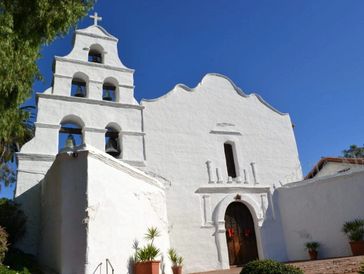
1. Mission San Diego de Alcalá
Founded: July 16, 1769
Founder: Father Junípero Serra
Patron Saint: Saint Didacus of Alcalá
History:
The first California mission, established to begin the Spanish mission system in Alta California. It became a center for religion, agriculture, and Spanish settlement.
Architecture:
Spanish Colonial style with adobe walls, a bell tower, red
Founded: July 16, 1769
Founder: Father Junípero Serra
Patron Saint: Saint Didacus of Alcalá
History:
The first California mission, established to begin the Spanish mission system in Alta California. It became a center for religion, agriculture, and Spanish settlement.
Architecture:
Spanish Colonial style with adobe walls, a bell tower, red tile roof, and traditional courtyard design.
Native Tribes:
Kumeyaay (Diegueño) people were the Indigenous community connected to the mission.
Artifacts:
Mission bells, religious artwork, historic tools, and early mission documents.
Gardens:
Historic gardens with native plants, fruit trees, flowers, and herbs.
Cemetery:
The mission cemetery contains graves of Indigenous people, settlers, and early mission residents.
Día de los Muertos Connection:
The mission honors ancestors through prayers, remembrance ceremonies, candles, flowers, and cultural events connected to Día de los Muertos.
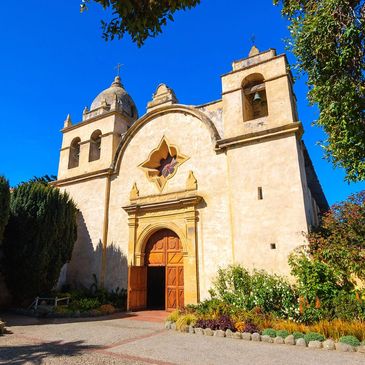
2. Mission San Carlos Borromeo de Carmelo
Founded: June 3, 1770
Founder: Father Junípero Serra
Patron Saint: Saint Charles Borromeo
History:
Father Serra moved the mission to Carmel in 1771. It became his headquarters and final resting place.
Architecture:
Known for its beautiful Spanish Colonial design, stone walls, arched walkways, and bell tower.
Native Tribes:
Ohlone (Esselen an
Founded: June 3, 1770
Founder: Father Junípero Serra
Patron Saint: Saint Charles Borromeo
History:
Father Serra moved the mission to Carmel in 1771. It became his headquarters and final resting place.
Architecture:
Known for its beautiful Spanish Colonial design, stone walls, arched walkways, and bell tower.
Native Tribes:
Ohlone (Esselen and Rumsen groups) were connected to the mission.
Artifacts:
Religious paintings, Serra’s personal items, mission records, and historic artifacts.
Gardens:
Includes restored gardens with native plants and historic landscaping.
Cemetery:
Father Junípero Serra is buried beneath the church floor. The cemetery honors mission residents.
Día de los Muertos Connection:
The mission remembers past generations through memorial services, candles, flowers, and ancestor traditions.
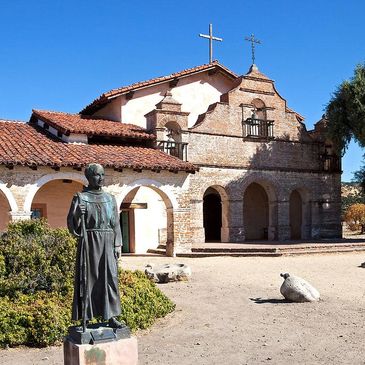
3. Mission San Antonio de Padua
3. Mission San Antonio de Padua
Founded: July 14, 1771
Founder: Father Junípero Serra
Patron Saint: Saint Anthony of Padua
History:
Built in the Salinas Valley, this mission became known for farming, livestock, and its peaceful rural setting.
Architecture:
Spanish Colonial adobe architecture with a large church, arches, wooden beams, and mission courtyard.
Native Tribes:
S
Founded: July 14, 1771
Founder: Father Junípero Serra
Patron Saint: Saint Anthony of Padua
History:
Built in the Salinas Valley, this mission became known for farming, livestock, and its peaceful rural setting.
Architecture:
Spanish Colonial adobe architecture with a large church, arches, wooden beams, and mission courtyard.
Native Tribes:
Salinan people were the primary Indigenous community.
Artifacts:
Original mission bells, religious objects, artwork, and historic farming tools.
Gardens:
Historic gardens include fruit trees, flowers, herbs, and traditional plants.
Cemetery:
Contains graves of Indigenous converts, soldiers, and mission residents.
Día de los Muertos Connection:
The mission preserves traditions of honoring ancestors through prayer, flowers, candles, and remembrance.
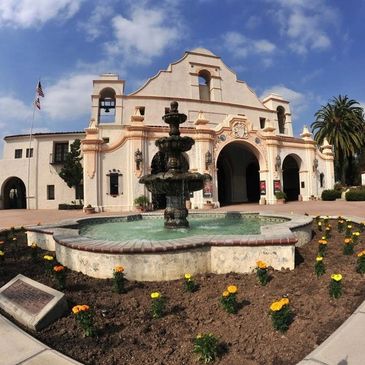
4. Mission San Gabriel Arcángel
3. Mission San Antonio de Padua
Founded: September 8, 1771
Founder: Father Junípero Serra
Patron Saint: Archangel Gabriel
History:
Known as the “Pride of the California Missions,” it became an important agricultural and cultural center near Los Angeles.
Architecture:
Features a unique stone church, tall buttresses, narrow windows, and Spanish Colonial design.
Native Tribes
Founded: September 8, 1771
Founder: Father Junípero Serra
Patron Saint: Archangel Gabriel
History:
Known as the “Pride of the California Missions,” it became an important agricultural and cultural center near Los Angeles.
Architecture:
Features a unique stone church, tall buttresses, narrow windows, and Spanish Colonial design.
Native Tribes:
Tongva (Gabrielino) people were connected to the mission.
Artifacts:
Historic bells, religious artwork, baptism records, and mission-era objects.
Gardens:
Includes historic gardens with citrus trees, roses, and native plants.
Cemetery:
One of California’s oldest cemeteries, containing Indigenous and early Californian graves.
Día de los Muertos Connection:
The mission hosts remembrance traditions honoring ancestors with altars, flowers, candles, and cultural celebrations.
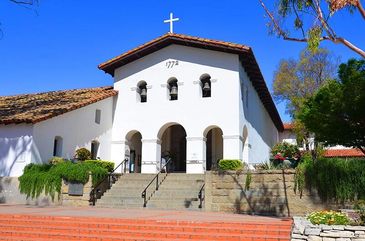
5. Mission San Luis Obispo de Tolosa
Founded: September 1, 1772
Founder: Father Junípero Serra
Patron Saint: Saint Louis, Bishop of Toulouse
History:
Established in the Central Coast region and became an important agricultural and community center.
Architecture:
Spanish Colonial style featuring a church with a bell tower and beautiful interior artwork.
Native Tribes:
Chumash pe
Founded: September 1, 1772
Founder: Father Junípero Serra
Patron Saint: Saint Louis, Bishop of Toulouse
History:
Established in the Central Coast region and became an important agricultural and community center.
Architecture:
Spanish Colonial style featuring a church with a bell tower and beautiful interior artwork.
Native Tribes:
Chumash people were the main Indigenous group connected to the mission.
Artifacts:
Mission bells, paintings, historic documents, and religious objects.
Gardens:
Includes gardens with flowers, fruit trees, and native plants.
Cemetery:
Historic burial grounds contain Indigenous people and early settlers.
Día de los Muertos Connection:
The mission honors the memory of ancestors through ofrendas, candles, flowers, and community remembrance events.
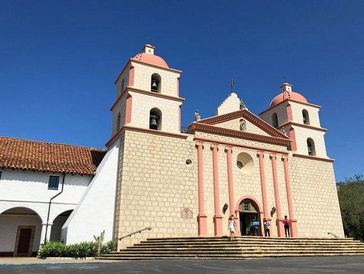
6. Mission San Francisco de Asís (Mission Dolores)
Founded: October 9, 1776
Founder: Father Francisco Palóu
Patron Saint: Saint Francis of Assisi
History:
Founded near present-day San Francisco, it is the city's oldest surviving building and one of the best-preserved California missions.
Architecture:
Adobe church with Spanish Colonial design, thick walls, hand-painted interior decorations,
Founded: October 9, 1776
Founder: Father Francisco Palóu
Patron Saint: Saint Francis of Assisi
History:
Founded near present-day San Francisco, it is the city's oldest surviving building and one of the best-preserved California missions.
Architecture:
Adobe church with Spanish Colonial design, thick walls, hand-painted interior decorations, and a bell tower.
Native Tribes:
Ohlone (Ramaytush and Yelamu) people.
Artifacts:
Historic mission bells, religious paintings, altar pieces, baptismal records, and original furnishings.
Gardens:
Courtyard gardens with roses, native plants, herbs, and fruit trees.
Cemetery:
One of California's oldest cemeteries, with thousands of burials dating to the mission era.
Día de los Muertos Connection:
The mission hosts Día de los Muertos events featuring ofrendas, candles, marigolds, music, and prayers honoring ancestors.
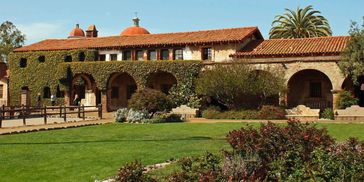
7. Mission San Juan Capistrano
Founded: November 1, 1776
Founder: Father Junípero Serra
Patron Saint: Saint John of Capistrano
History:
Famous for the annual return of the swallows, the mission became an important religious, agricultural, and educational center in Southern California.
Architecture:
Spanish Colonial architecture with adobe buildings, stone ruins, arches,
Founded: November 1, 1776
Founder: Father Junípero Serra
Patron Saint: Saint John of Capistrano
History:
Famous for the annual return of the swallows, the mission became an important religious, agricultural, and educational center in Southern California.
Architecture:
Spanish Colonial architecture with adobe buildings, stone ruins, arches, fountains, and beautiful courtyards.
Native Tribes:
Acjachemen (Juaneño) people.
Artifacts:
Historic bells, religious statues, paintings, mission records, and handcrafted tools.
Gardens:
Extensive gardens with flowers, citrus trees, olive trees, herbs, and fountains.
Cemetery:
Historic cemetery containing Indigenous people, missionaries, soldiers, and settlers.
Día de los Muertos Connection:
The mission welcomes visitors for Día de los Muertos celebrations with community altars, educational exhibits, flowers, and remembrance activities.
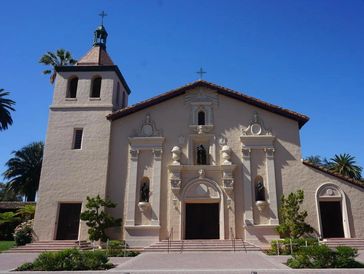
8. Mission Santa Clara de Asís
Founded: January 12, 1777
Founder: Father Junípero Serra
Patron Saint: Saint Clare of Assisi
History:
The mission later became the home of Santa Clara University and played a major role in the Santa Clara Valley.
Architecture:
Spanish Colonial church featuring arches, bell towers, gardens, and a restored interior.
Native Tribes:
Ohlone (Tami
Founded: January 12, 1777
Founder: Father Junípero Serra
Patron Saint: Saint Clare of Assisi
History:
The mission later became the home of Santa Clara University and played a major role in the Santa Clara Valley.
Architecture:
Spanish Colonial church featuring arches, bell towers, gardens, and a restored interior.
Native Tribes:
Ohlone (Tamien) people.
Artifacts:
Historic religious artwork, mission bells, documents, and ceremonial objects.
Gardens:
Landscaped gardens with flowers, fruit trees, and native California plants.
Cemetery:
Historic cemetery honoring early mission residents and clergy.
Día de los Muertos Connection:
The mission and university community often recognize Día de los Muertos through altars, educational programs, and cultural remembrance.
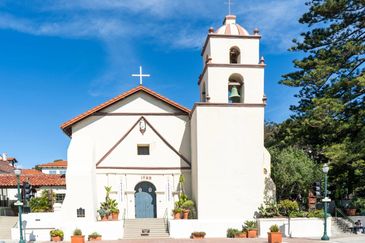
9. Mission San Buenaventura
- Mission Number: 9th California Mission
- Founded: March 31, 1782
- Founder: Father Junípero Serra
- Patron Saint: Saint Bonaventure
- Location: Ventura, California
- Nickname: Mission by the Sea
- Architecture: Spanish Colonial adobe with bell tower
- Native Tribe: Chumash
- Original Language: Chumashan languages
- Mission Purpose: Spread Christianity and establish
- Mission Number: 9th California Mission
- Founded: March 31, 1782
- Founder: Father Junípero Serra
- Patron Saint: Saint Bonaventure
- Location: Ventura, California
- Nickname: Mission by the Sea
- Architecture: Spanish Colonial adobe with bell tower
- Native Tribe: Chumash
- Original Language: Chumashan languages
- Mission Purpose: Spread Christianity and establish Spanish settlements
- Primary Crops: Wheat, corn, beans, grapes, olives
- Fruit Trees: Citrus, figs, pears, peaches
- Livestock: Cattle, sheep, horses, goats
- Industries: Farming, ranching, weaving, leatherworking
- Water Source: Aqueduct and irrigation system
- Mission Bells: Historic bronze bells
- Church: Active Catholic parish
- Museum: Yes
- Artifacts: Bells, paintings, religious statues, manuscripts
- Gardens: Roses, herbs, citrus trees, native plants
- Cemetery: Historic mission cemetery
- State Landmark: California Historical Landmark
- El Camino Real: Located along the historic mission trail
- Día de los Muertos Connection: Honors ancestors through remembrance, flowers, candles, prayers, and educational programs
- Best Known For: The only mission personally founded by Father Junípero Serra after traveling overland from San Diego
- Interesting Fact: The mission has served the Ventura community continuously for more than 240 years.
- Today's Status: Active parish, museum, and popular California historic site.
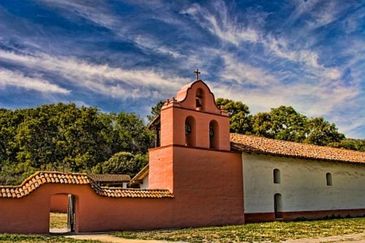
10. Mission Santa Barbara
Founded: December 4, 1786
Founder: Father Fermín Francisco de Lasuén
Patron Saint: Saint Barbara
History:
Known as the "Queen of the Missions," it has remained an active Franciscan parish since its founding and is one of the best-preserved California missions.
Architecture:
Spanish Colonial architecture with twin bell towers, adobe construc
Founded: December 4, 1786
Founder: Father Fermín Francisco de Lasuén
Patron Saint: Saint Barbara
History:
Known as the "Queen of the Missions," it has remained an active Franciscan parish since its founding and is one of the best-preserved California missions.
Architecture:
Spanish Colonial architecture with twin bell towers, adobe construction, beautiful stone façade, and landscaped courtyards.
Native Tribes:
Chumash people.
Artifacts:
Historic paintings, mission bells, religious vestments, manuscripts, and original furnishings.
Gardens:
Extensive gardens featuring roses, palms, olive trees, herbs, and native California plants.
Cemetery:
Historic cemetery and mausoleum honoring missionaries, Indigenous people, and early California residents.
Día de los Muertos Connection:
The mission recognizes Día de los Muertos through memorial services, ofrendas, educational displays, flowers, candles, and community events celebrating remembrance and cultural heritage.
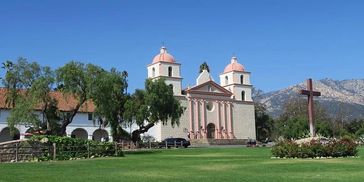
11. Mission La Purísima Concepción
Founded: December 8, 1787
Founder: Father Fermín Francisco de Lasuén
Patron Saint: The Immaculate Conception of the Blessed Virgin Mary
History:
Originally founded near present-day Lompoc, the mission was rebuilt after an 1812 earthquake and is one of the most completely restored California missions today.
Architecture:
Spanish Colonial ado
Founded: December 8, 1787
Founder: Father Fermín Francisco de Lasuén
Patron Saint: The Immaculate Conception of the Blessed Virgin Mary
History:
Originally founded near present-day Lompoc, the mission was rebuilt after an 1812 earthquake and is one of the most completely restored California missions today.
Architecture:
Spanish Colonial adobe buildings arranged in a unique straight-line layout with red tile roofs and a bell tower.
Native Tribes:
Chumash people.
Artifacts:
Mission bells, religious paintings, farming tools, furniture, pottery, and historic documents.
Gardens:
Traditional mission gardens with flowers, vegetables, herbs, vineyards, and fruit trees.
Cemetery:
Historic cemetery containing missionaries, Indigenous residents, and early settlers.
Día de los Muertos Connection:
The mission honors remembrance through educational programs about California history and traditions of honoring ancestors.
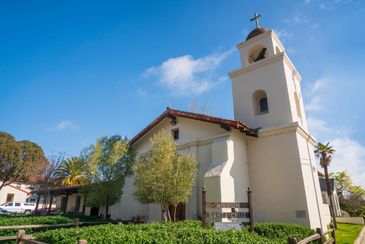
12. Mission Santa Cruz
Founded: August 28, 1791
Founder: Father Fermín Francisco de Lasuén
Patron Saint: The Holy Cross
History:
Established near Monterey Bay, the mission served as a center for farming, ranching, and religious life despite earthquakes and floods.
Architecture:
Spanish Colonial adobe church with a reconstructed chapel and mission gardens.
Native T
Founded: August 28, 1791
Founder: Father Fermín Francisco de Lasuén
Patron Saint: The Holy Cross
History:
Established near Monterey Bay, the mission served as a center for farming, ranching, and religious life despite earthquakes and floods.
Architecture:
Spanish Colonial adobe church with a reconstructed chapel and mission gardens.
Native Tribes:
Awaswas Ohlone people.
Artifacts:
Mission bells, religious artwork, historic records, farming tools, and mission furnishings.
Gardens:
Flower gardens, fruit trees, native plants, and herbs.
Cemetery:
Historic burial grounds for Indigenous people, missionaries, and settlers.
Día de los Muertos Connection:
The mission recognizes the importance of honoring ancestors through prayer, remembrance, and cultural education.
California Missions and Dia de los Muertos 13-21 and Facts.

13. Mission Nuestra Señora de la Soledad
Founded: October 9, 1791
Founder: Father Fermín Francisco de Lasuén
Patron Saint: Our Lady of Solitude
History:
Located in the Salinas Valley, the mission was an important agricultural center but later declined because of floods and isolation.
Architecture:
Simple Spanish Colonial adobe buildings with restored chapel and courtyard.
Native Tr
Founded: October 9, 1791
Founder: Father Fermín Francisco de Lasuén
Patron Saint: Our Lady of Solitude
History:
Located in the Salinas Valley, the mission was an important agricultural center but later declined because of floods and isolation.
Architecture:
Simple Spanish Colonial adobe buildings with restored chapel and courtyard.
Native Tribes:
Esselen and Salinan peoples.
Artifacts:
Mission bells, religious objects, farming equipment, and historic documents.
Gardens:
Gardens with native plants, vegetables, herbs, and fruit trees.
Cemetery:
Historic cemetery honoring missionaries, Indigenous converts, and early residents.
Día de los Muertos Connection:
The mission serves as a place of reflection where visitors remember those who lived and worked there, reflecting the spirit of Día de los Muertos.

14. Mission San José
Founded: June 11, 1797
Founder: Father Fermín Francisco de Lasuén
Patron Saint: Saint Joseph
History:
Founded in present-day Fremont, the mission became one of the largest and most productive missions in California.
Architecture:
Spanish Colonial church with adobe walls, bell tower, courtyard, and restored interior.
Native Tribes:
Ohlone (Mu
Founded: June 11, 1797
Founder: Father Fermín Francisco de Lasuén
Patron Saint: Saint Joseph
History:
Founded in present-day Fremont, the mission became one of the largest and most productive missions in California.
Architecture:
Spanish Colonial church with adobe walls, bell tower, courtyard, and restored interior.
Native Tribes:
Ohlone (Muwekma) people.
Artifacts:
Historic altar pieces, mission bells, paintings, tools, and religious artifacts.
Gardens:
Beautiful gardens with roses, fruit trees, vegetables, herbs, and native plants.
Cemetery:
Historic cemetery containing Indigenous people, missionaries, and settlers.
Día de los Muertos Connection:
The mission celebrates remembrance through cultural exhibits, educational programs, flowers, candles, and community events honoring ancestors.

15. Mission San Juan Bautista
Founded: June 24, 1797
Founder: Father Fermín Francisco de Lasuén
Patron Saint: Saint John the Baptist
History:
Located along El Camino Real, the mission became known for its large church and thriving agricultural community. It remains one of the best-preserved mission complexes.
Architecture:
Spanish Colonial church with adobe construction
Founded: June 24, 1797
Founder: Father Fermín Francisco de Lasuén
Patron Saint: Saint John the Baptist
History:
Located along El Camino Real, the mission became known for its large church and thriving agricultural community. It remains one of the best-preserved mission complexes.
Architecture:
Spanish Colonial church with adobe construction, original tile floors, arches, and one of California's largest mission churches.
Native Tribes:
Mutsun (Ohlone) people.
Artifacts:
Historic bells, religious artwork, manuscripts, mission furniture, and original church furnishings.
Gardens:
Mission gardens with flowers, olive trees, herbs, fruit trees, and native California plants.
Cemetery:
Historic cemetery honoring missionaries, Indigenous residents, and early California families.
Día de los Muertos Connection:
The mission recognizes Día de los Muertos through community remembrance, educational exhibits, altars, flowers, and cultural celebrations honoring family history and ancestors.

16. Mission San Miguel Arcángel
Founded: July 25, 1797
Founder: Father Fermín Francisco de Lasuén
Patron Saint: Archangel Michael
History:
Established along El Camino Real, the mission became an important center for agriculture, livestock, and religious instruction. It is known for preserving much of its original interior artwork.
Architecture:
Spanish Colonial adobe chur
Founded: July 25, 1797
Founder: Father Fermín Francisco de Lasuén
Patron Saint: Archangel Michael
History:
Established along El Camino Real, the mission became an important center for agriculture, livestock, and religious instruction. It is known for preserving much of its original interior artwork.
Architecture:
Spanish Colonial adobe church with original hand-painted murals, wooden ceilings, arches, and a bell tower.
Native Tribes:
Salinan people.
Artifacts:
Original murals, mission bells, religious paintings, altar pieces, tools, and historic records.
Gardens:
Gardens with native plants, herbs, vegetables, fruit trees, and flowers.
Cemetery:
Historic cemetery containing missionaries, Indigenous residents, and early settlers.
Día de los Muertos Connection:
The mission honors the memory of past generations through educational programs, prayers, flowers, candles, and cultural remembrance.

17. Mission San Fernando Rey de España
Founded: September 8, 1797
Founder: Father Fermín Francisco de Lasuén
Patron Saint: Saint Ferdinand III of Castile
History:
Located in the San Fernando Valley, the mission became one of California's largest agricultural centers and later served as an important stop along El Camino Real.
Architecture:
Spanish Colonial design with adobe build
Founded: September 8, 1797
Founder: Father Fermín Francisco de Lasuén
Patron Saint: Saint Ferdinand III of Castile
History:
Located in the San Fernando Valley, the mission became one of California's largest agricultural centers and later served as an important stop along El Camino Real.
Architecture:
Spanish Colonial design with adobe buildings, long arcades, courtyards, fountains, and a bell tower.
Native Tribes:
Tongva (Gabrielino) and Tataviam peoples.
Artifacts:
Mission bells, religious artwork, manuscripts, farming tools, and original furnishings.
Gardens:
Beautiful courtyards with roses, citrus trees, olive trees, herbs, and native plants.
Cemetery:
Historic cemetery honoring missionaries, Indigenous residents, and early California families.
Día de los Muertos Connection:
The mission observes Día de los Muertos with altars, flowers, candles, educational exhibits, and community events celebrating remembrance.

18. Mission San Luis Rey de Francia
Founded: June 13, 1798
Founder: Father Fermín Francisco de Lasuén
Patron Saint: Saint Louis IX, King of France
History:
Known as the "King of the Missions," it became one of the largest, wealthiest, and most productive missions in California.
Architecture:
Spanish Colonial church with impressive arches, adobe walls, courtyards, fountains, a
Founded: June 13, 1798
Founder: Father Fermín Francisco de Lasuén
Patron Saint: Saint Louis IX, King of France
History:
Known as the "King of the Missions," it became one of the largest, wealthiest, and most productive missions in California.
Architecture:
Spanish Colonial church with impressive arches, adobe walls, courtyards, fountains, and one of the largest mission complexes.
Native Tribes:
Luiseño people.
Artifacts:
Mission bells, religious statues, artwork, manuscripts, furniture, and farming tools.
Gardens:
Extensive gardens featuring palms, roses, citrus trees, herbs, and native California plants.
Cemetery:
Historic cemetery containing missionaries, Indigenous residents, soldiers, and settlers.
Día de los Muertos Connection:
The mission hosts cultural programs and remembrance activities that honor ancestors through flowers, candles, prayers, and community gatherings.
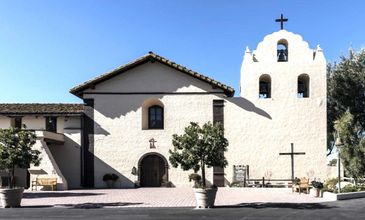
19. Mission Santa Inés
Founded: September 17, 1804
Founder: Father Estévan Tapis
Patron Saint: Saint Agnes
History:
Located near Solvang, the mission became an important center for ranching, farming, and education before surviving earthquakes and the Chumash Revolt of 1824.
Architecture:
Spanish Colonial adobe church with a bell tower, courtyard, arches, and rest
Founded: September 17, 1804
Founder: Father Estévan Tapis
Patron Saint: Saint Agnes
History:
Located near Solvang, the mission became an important center for ranching, farming, and education before surviving earthquakes and the Chumash Revolt of 1824.
Architecture:
Spanish Colonial adobe church with a bell tower, courtyard, arches, and restored mission buildings.
Native Tribes:
Chumash people.
Artifacts:
Historic paintings, bells, religious objects, mission records, tools, and furnishings.
Gardens:
Gardens with roses, olive trees, fruit trees, herbs, and native flowers.
Cemetery:
Historic cemetery honoring missionaries, Indigenous people, and early settlers.
Día de los Muertos Connection:
The mission recognizes traditions of remembrance through flowers, prayers, candles, and educational events honoring those who came before us.
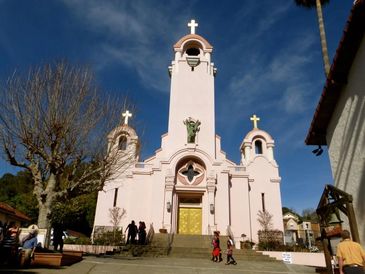
20. Mission San Rafael Arcángel
Founded: December 14, 1817
Founder: Father Vicente Francisco de Sarriá
Patron Saint: Archangel Raphael
History:
Originally founded as a medical asistencia (sub-mission) to care for sick Native Americans from Mission San Francisco de Asís, it later became a full mission.
Architecture:
Reconstructed Spanish Colonial chapel with adobe-style ar
Founded: December 14, 1817
Founder: Father Vicente Francisco de Sarriá
Patron Saint: Archangel Raphael
History:
Originally founded as a medical asistencia (sub-mission) to care for sick Native Americans from Mission San Francisco de Asís, it later became a full mission.
Architecture:
Reconstructed Spanish Colonial chapel with adobe-style architecture, bell tower, and peaceful gardens.
Native Tribes:
Coast Miwok and Southern Pomo peoples.
Artifacts:
Historic mission bells, religious artwork, medical history displays, manuscripts, and mission furnishings.
Gardens:
Landscaped gardens with native plants, flowers, herbs, and fruit trees.
Cemetery:
Historic burial grounds honoring missionaries, Indigenous residents, and early Californians.
Día de los Muertos Connection:
The mission promotes remembrance through prayer, flowers, candles, educational exhibits, and respect for the lives of those connected to the mission.

21. Mission San Francisco Solano
Founded: July 4, 1823
Founder: Father José Altimira
Patron Saint: Saint Francis Solanus
History:
Mission San Francisco Solano was the 21st and final California mission established during the Spanish mission era. Located in present-day Sonoma, it was founded to extend Spain's presence into Northern California and to serve the local Indigeno
Founded: July 4, 1823
Founder: Father José Altimira
Patron Saint: Saint Francis Solanus
History:
Mission San Francisco Solano was the 21st and final California mission established during the Spanish mission era. Located in present-day Sonoma, it was founded to extend Spain's presence into Northern California and to serve the local Indigenous communities. Unlike earlier missions, it was founded after Mexico gained independence from Spain in 1821. The mission was secularized in 1834 and later became part of Sonoma State Historic Park.
Architecture:
Spanish Colonial architecture featuring adobe walls, a simple chapel, wooden beams, red clay roof tiles, and a peaceful courtyard.
Native Tribes:
Coast Miwok, Southern Pomo, Wappo, and Patwin peoples.
Artifacts:
Historic mission bells, religious paintings, altar furnishings, mission documents, farming tools, Native American baskets, and archaeological artifacts.
Gardens:
Traditional mission gardens with native California plants, herbs, vegetables, flowers, grapevines, and fruit trees.
Cemetery:
The historic cemetery contains the graves of missionaries, Indigenous people, settlers, and early residents associated with the mission.
Día de los Muertos Connection:
Mission San Francisco Solano honors the history and memory of the people who lived, worked, and worshipped there. Día de los Muertos provides an opportunity to remember Indigenous communities, missionaries, settlers, and families connected to the mission through ofrendas, candles, flowers, prayers, storytelling, and cultural education.

California Mission Quick Facts
California Mission Quick Facts
First Mission: Mission San Diego de Alcalá (1769)
- Last Mission: Mission San Francisco Solano (1823)
- Total Missions: 21
- Mission Trail Length: Approximately 600 miles (966 km) along El Camino Real
- Primary Founder of the Mission System: Father Junípero Serra (founded the first 9 missions)
- Remaining Missions Founded By: Father Fermín Francisco de
First Mission: Mission San Diego de Alcalá (1769)
- Last Mission: Mission San Francisco Solano (1823)
- Total Missions: 21
- Mission Trail Length: Approximately 600 miles (966 km) along El Camino Real
- Primary Founder of the Mission System: Father Junípero Serra (founded the first 9 missions)
- Remaining Missions Founded By: Father Fermín Francisco de Lasuén and Father José Altimira
- Purpose: To spread Christianity, establish Spanish settlements, teach agriculture and trades, and expand Spain's presence in Alta California.
- Modern Significance: Today, the California Missions are important historical landmarks that preserve California's Spanish, Mexican, and Indigenous history. Many also provide educational programs that help visitors understand the experiences of Native communities and the lasting cultural impact of the mission era.