💀🕸️ Original Art, Ofrendas, Symbols, History & More by Robert Collado🕸️ 💀
Signed in as:
filler@godaddy.com

Are you a Día de los Muertos street artist, muralist, metalworker or public artist? Robert Collado is connecting with artists who create original work inspired by remembrance, culture, symbolism and Día de los Muertos traditions.

Street art has become an important modern expression of Día de los Muertos, especially in Mexican and Mexican-American communities. Its history connects traditional Mexican imagery with muralism, Chicano art, graffiti, and contemporary urban culture.
The roots go deeper than modern graffiti. Indigenous peoples in Mexico maintained traditions honoring the dead long before Spanish colonization. Over centuries, those traditions interacted with Catholic observances and developed into the many regional practices now associated with Día de los Muertos. Skulls, flowers, candles, skeletons, altars, food, and remembrance became part of its evolving visual language.
A major turning point for Mexican public art came after the Mexican Revolution of 1910–1920. The Mexican mural movement of the 1920s and later decades brought enormous paintings about Mexican history, Indigenous heritage, workers, politics, and everyday life directly onto public walls. Artists including Diego Rivera, José Clemente Orozco, and David Alfaro Siqueiros helped establish the idea that a wall could communicate culture and history to an entire community.
Another enormous influence was José Guadalupe Posada. His famous skeletal figures—especially the image that later became known as La Catrina—helped make the calavera a powerful form of social commentary. Rivera later prominently depicted Catrina in his mural Dream of a Sunday Afternoon in Alameda Central Park, strengthening the connection between Posada's imagery, Mexican identity, and monumental public art.
In the United States, particularly during the Chicano Movement of the 1960s and 1970s, Mexican-American artists increasingly used public murals to express cultural pride, community history, Indigenous heritage, immigration experiences, social struggles, and Mexican identity.
Los Angeles became especially important. Neighborhood walls throughout East Los Angeles and other communities became public canvases. Día de los Muertos imagery fit naturally into this visual culture: calaveras, Aztec and Indigenous imagery, Catrinas, crosses, roses, marigolds, candles and portraits of people who had died could simultaneously communicate
Mexican heritage and remembrance.
This is also why Día de los Muertos street art is often much more than decorative skull imagery. A mural can function almost like a public ofrenda. Instead of placing a photograph on a family altar inside a home, an artist can paint someone's portrait on a neighborhood wall, surround that person with symbolic imagery, and create a memorial visible to the entire community.
By the 1980s, 1990s and 2000s, Chicano mural traditions increasingly overlapped with graffiti, tattoo art, lowrider culture, aerosol painting, illustration and other forms of urban art. Artists began producing increasingly elaborate skulls and Catrinas while retaining recognizable Día de los Muertos symbols.
Today the imagery has become international. You can find Día de los Muertos-inspired murals far beyond Mexico and Los Angeles. Contemporary artists combine traditional symbolism with photorealism, lettering, graffiti, tattoo aesthetics, digital art and large-scale public murals.

“City with No Angels” is my raw interpretation of a winged Calavera angel displayed on a webbed cross—a piece created from my own vision and placed into the Los Angeles environment. The name plays with the identity of the City of Angels, contrasting that famous image with the harder reality of the streets. The Calavera, wings, cross, and spiderweb bring together Día de los Muertos symbolism, spirituality, death, protection, and street culture. For me, creating work like this outside the traditional gallery is part of the message: the city becomes the gallery, the street becomes the canvas, and the people become the audience.

This Calavera artwork portrays Saint Peter holding Baby Jesus, bringing Christian symbolism together with the visual traditions of Día de los Muertos. The skeletal figures are not intended simply as symbols of death; they represent the continuing connection between life, death, faith, memory, and the eternal. Saint Peter, traditionally associated with the keys to the Kingdom of Heaven, holds the infant Jesus in a scene of protection and devotion. Reimagined through Calavera imagery, the piece reflects a central idea found throughout Día de los Muertos art: death does not erase love, remembrance, or the spiritual bonds that connect generations.
The Double Cross Angel represents my approach to turning everyday urban materials into symbolic art. Created from metal and displayed against the raw environment of the city, the skeletal angel combines the cross, Calavera imagery, wings, and street culture into one piece. My work is influenced by Los Angeles, Día de los Muertos, spirituality, and the idea that art does not have to live inside a gallery. Sometimes the street itself becomes the gallery, allowing a piece of art to become part of the neighborhood, its history, and the people who pass it every day.

My Day of the Dead art combines Calaveras, crosses, sacred hearts, spiderwebs, metalwork, and spiritual symbolism to tell stories about faith, love, mortality, and remembrance. Each piece is influenced by Día de los Muertos art and culture while carrying my own experiences and artistic vision. From the Cross and Calavera to the Sacred Heart, these symbols transform metal into something with meaning—art created to honor those who came before us, celebrate the lives we remember, and carry their stories forward for future generations.

Original Día de los Muertos art by Robert Collado inspired by remembrance, faith, symbolism, street art and Los Angeles culture.
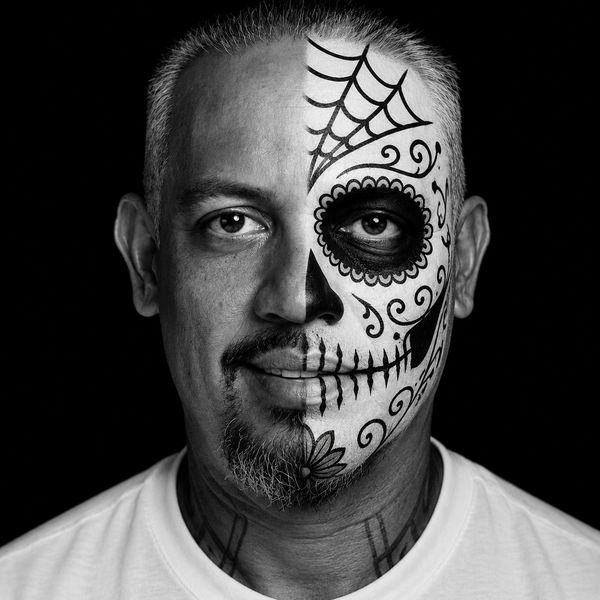
My Day of the Dead art is built around the symbols and stories that give Día de los Muertos its meaning. Calaveras represent our connection with mortality and remembrance, while crosses and Sacred Hearts express faith, sacrifice, love, and the spiritual bonds that remain after someone is gone. Through original metal art, street art, and Día de los Muertos-inspired creations, I combine traditional symbolism with my own experiences and Los Angeles influences. Every piece is created with a purpose: honor the past, celebrate life, remember those we love, and leave something meaningful for the future.

Plan 333 records a moment between Robert Collado and Sol that grew from a conversation about time, space, faith and purpose into a plan for preserving the past, building a legacy and inspiring the future.


