Signed in as:
filler@godaddy.com

An ofrenda, or offering altar, is created during Día de los Muertos to honor and remember loved ones who have died. Families may place photographs, candles, marigolds, water, favorite foods, pan de muerto, papel picado and meaningful personal objects on the altar. Rather than worshiping the deceased, the ofrenda creates a welcoming place
An ofrenda, or offering altar, is created during Día de los Muertos to honor and remember loved ones who have died. Families may place photographs, candles, marigolds, water, favorite foods, pan de muerto, papel picado and meaningful personal objects on the altar. Rather than worshiping the deceased, the ofrenda creates a welcoming place of remembrance, connecting family, memory and tradition during the Day of the Dead celebration.
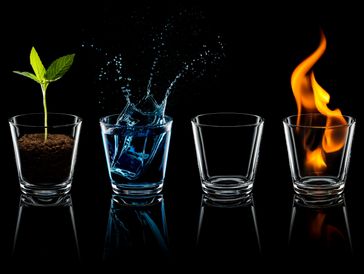
The four elements are traditionally represented on many Día de los Muertos ofrendas. Earth may be represented by food, flowers and other gifts from the land. Water is offered to refresh the returning spirits. Fire appears through candles that illuminate the altar and symbolize light and remembrance. Air is often represented by papel picad
The four elements are traditionally represented on many Día de los Muertos ofrendas. Earth may be represented by food, flowers and other gifts from the land. Water is offered to refresh the returning spirits. Fire appears through candles that illuminate the altar and symbolize light and remembrance. Air is often represented by papel picado, whose delicate movement in the breeze symbolizes the presence and movement of air.

Día de los Muertos ofrendas may be built with different numbers of levels depending on family, regional and religious traditions. A two-level altar is commonly interpreted as representing heaven and earth, while three-level ofrendas are often associated with heaven, earth and another spiritual realm. More elaborate altars may contain seve
Día de los Muertos ofrendas may be built with different numbers of levels depending on family, regional and religious traditions. A two-level altar is commonly interpreted as representing heaven and earth, while three-level ofrendas are often associated with heaven, earth and another spiritual realm. More elaborate altars may contain seven levels, each carrying symbolic meaning. There is no single required number of tiers—families create ofrendas according to their traditions, beliefs and the loved ones being remembered.

The Meaning of Candles in the Día de los Muertos Ofrenda
Candles are one of the most crucial elements of a Día de los Muertos ofrenda (altar). They symbolize light, hope, faith, and remembrance while creating a welcoming path for the spirits of loved ones returning to visit their families.
The flame of the candle represents the presence of the soul and serves as a guide, helping spirits find their way back to the world of the living during Día de los Muertos traditions.
Symbolism of Candles
Guidance: The candlelight is believed to help guide ancestors and loved ones back home.
Memory: Each candle can represent a person being remembered.
Faith and Prayer: Candles connect spiritual traditions with prayers and moments of reflection.
Hope and Love: The warm glow represents the continuing love between families and those who have passed away.
The Soul: The flame represents the spirit and the connection between life and death.
How Candles Are Used on an Ofrenda
Candles are placed around photographs, food, flowers, and personal belongings of the deceased on the Día de los Muertos ofrenda. Families may light one candle for each loved one they wish to honor. Some altars use candles to form a pathway from the entrance of the home to the ofrenda, welcoming spirits to return. Additionally, candles are often combined with marigolds (cempasúchil) and copal incense as traditional elements of ofrenda remembrance.
Indigenous and Catholic Influences
The use of candles in Día de los Muertos reflects a blend of traditions. Indigenous communities in Mexico used fire and light in ceremonies honoring ancestors, while Catholic traditions incorporated candles as symbols of prayer, devotion, and spiritual guidance.
The Modern Meaning
Today, candles remain a powerful symbol in Día de los Muertos celebrations. Whether placed on a family altar, a community offering, or a cemetery memorial, each flame represents love, respect, and the memories that continue to shine.
Key Message:
"The candle on the Día de los Muertos ofrenda is a light of remembrance, guiding loved ones home and keeping their memory alive across generations."
Marigolds, known as cempasúchil in Mexico, are among the most important and recognizable flowers associated with Día de los Muertos. Their brilliant orange and yellow colors, distinctive fragrance, and connection to Mexican tradition make them a central element of many ofrendas. Marigolds are traditionally believed to help guide the spirits of loved ones back to their families during the annual celebration of remembrance.
Throughout Mexican Día de los Muertos traditions, marigolds may be placed on altars, arranged around photographs, formed into arches, or used to create trails of petals leading toward an ofrenda. Their vivid color and brief flowering life also reflect the beauty and temporary nature of life while honoring memories that continue across generations.
Guidance and Welcome: The bright color and strong fragrance of cempasúchil are traditionally believed to help guide returning spirits toward the ofrenda.
Life and Death: Their seasonal bloom represents the natural cycle of life, death, and renewal.
Love and Remembrance: Marigolds honor the lasting connection between families and loved ones who have died.
Light and Celebration: Their golden-orange color brings warmth and vibrancy to the ofrenda, reflecting the celebratory spirit of Día de los Muertos.
Marigolds may be used to:
Marigolds have become one of the defining symbols of Día de los Muertos. Known especially for their brilliant color and distinctive scent, cempasúchil flowers are traditionally associated with welcoming and guiding the spirits of loved ones during the observances of November 1 and November 2.
“Marigolds, or cempasúchil, symbolize remembrance, guidance, and the enduring connection between the living and the dead during Día de los Muertos.”I’m
The Meaning of Photos in a Día de los Muertos Ofrenda
Photographs are one of the most significant elements of a Día de los Muertos ofrenda (altar). They embody the presence, memory, and identity of loved ones who have passed away. By showcasing these images, families honor their ancestors and ensure their stories endure for future generations.
The photograph serves as a means to welcome the spirit of the person being remembered during Día de los Muertos traditions. It reminds family members that although their loved one is no longer physically present, their influence, love, and memories continue to resonate.
Symbolism of Photos on an Ofrenda
Connection: Photos create a bridge between the living and the deceased.
Memory: They preserve the face, personality, and story of a loved one.
Honor and Respect: Displaying a photo shows appreciation for the person's life and legacy.
Family History: Photos help younger generations learn about relatives and ancestors who came before them.
Welcome: The image helps identify and invite the spirit being honored during Día de los Muertos.
How Photos Are Used on an Ofrenda
Families may display:
Portraits of parents, grandparents, children, and other relatives.
Pictures of friends or community members who are being remembered.
Multiple generations of family photographs.
Images surrounded by candles, marigolds, favorite foods, and personal belongings.
The Role of Photos in Modern Día de los Muertos
Today, photographs remain one of the most personal parts of the Día de los Muertos ofrenda. They transform an altar from a simple decoration into a meaningful tribute filled with stories, emotions, and family history.
Key Message:
"A photograph on an ofrenda is more than just an image—it is a doorway to memories, honoring the lives and stories of those who continue to live in our hearts."
What Is Pan de Muerto?
Pan de Muerto (“Bread of the Dead”) is a traditional sweet bread specifically prepared and shared during Día de los Muertos. This beloved bread is one of the essential foods placed on a Día de los Muertos ofrenda to honor and welcome deceased loved ones.
The bread symbolizes the generosity of the earth, the cycle of life and death, and the profound connection between families and their ancestors. Families often include it on the altar, viewing it as an offering, believing that the spirits return to enjoy the essence of the foods they once cherished.
Symbolism of Pan de Muerto
The Round Shape: Represents the cycle of life, death, and renewal.
The Dough Ball in the Center: Often symbolizes the skull or the heart of the deceased.
Bone-Shaped Decorations (canillas): The crossed strips of dough represent bones and the connection between the living and the dead.
Orange Blossom Flavor: Traditionally symbolizes remembrance and respect for departed souls.
Sugar Topping: Represents sweetness, celebration, and the joy of remembering loved ones.
Pan de Muerto on the Ofrenda
Families place Pan de Muerto on their altars to:
- Welcome returning spirits.
- Honor ancestors and family members.
- Share a favorite traditional food.
- Celebrate the life and memories of those who have passed away.
Following the Día de los Muertos traditions, families often share the bread together, reinforcing the connection between generations.
Cultural History
Pan de Muerto developed through a rich blend of Indigenous Mexican traditions and Spanish influences after the arrival of Europeans in the 16th century. Indigenous communities were already holding ceremonies honoring ancestors and making food offerings, while Spanish baking traditions introduced new ingredients and techniques.
Today, Pan de Muerto stands as a cherished symbol of family, remembrance, and the celebration of life.
Key Message:
"Pan de Muerto is not a symbol of sadness—it is a gift of love, honoring ancestors and celebrating the memories that continue from one generation to the next."

The Meaning of Sugar Skulls in Día de los Muertos
Sugar skulls, known as calaveras de azúcar in Spanish, are among the most recognizable symbols associated with Día de los Muertos. They represent the celebration of life, remembrance of loved ones, and the acceptance of death as a natural part of the human experience.
Unlike typical symbols of death that may evoke fear or sadness, sugar skulls are vibrant, joyful, and adorned with intricate designs. They remind families that those who have passed away live on through stories, traditions, and love.
Symbolism of Sugar Skulls
- Remembrance: Sugar skulls honor deceased family members and ancestors.
- Celebration of Life: Their bright colors and decorations symbolize the personality, happiness, and cherished memories of the person being honored.
- Equality in Death: The skull shape reflects the belief that death comes to everyone, regardless of wealth or social status.
- Family Connection: They embody the enduring bond between the living and those who have passed away.
- The Cycle of Life: Sugar skulls symbolize the interconnectedness of life and death.
Sugar Skulls on an Ofrenda
During Día de los Muertos, families often place sugar skulls on an ofrenda, a traditional altar, along with:
- Photographs of loved ones.
- Candles for guidance and remembrance.
- Marigolds (cempasúchil) to welcome spirits.
- Pan de Muerto to honor ancestors.
- Favorite foods and personal belongings.
Some sugar skulls are decorated with the names of deceased loved ones, while others may include the names of living people as a reminder to celebrate life.
The Art of Sugar Skulls
Traditional sugar skulls are handcrafted using molded sugar and decorated with vibrant icing, flowers, hearts, and patterns. Each design is unique and can represent the personality, memories, or cultural identity of the individual being honored.
Modern artists preserve this tradition through paintings, murals, sculptures, digital artwork, and community celebrations across the globe.
Cultural Meaning
Sugar skulls reflect the Mexican perspective that remembering loved ones keeps their spirit and legacy alive. During Día de los Muertos, they transform the image of a skull from something eerie into a symbol of love, joy, family, and remembrance.
Key Message:
"A sugar skull is a colorful reminder that death is part of life, and the memories of those we love continue forever."
The Meaning of Water in Día de los Muertos Traditions
Water is a significant element placed on a Día de los Muertos ofrenda (altar). It symbolizes life, purity, renewal, and hospitality. Families include a glass or container of water on the altar to warmly welcome the spirits of loved ones believed to return during this celebration.
The water serves as a refreshing offering, meant to rejuvenate the spirits after their long journey from the spiritual realm back to visit their families.
Symbolism of Water on a Día de los Muertos Ofrenda
Refreshment: Water provides rest and comfort for returning souls after their journey.
Life: Water represents the vital connection between nature and humanity.
Purification: It symbolizes cleansing and spiritual renewal.
Hospitality: Offering water reflects a gesture of kindness and care for loved ones.
Connection to Nature: Water mirrors the natural elements that sustain all living things.
Indigenous Roots of Water Offerings
Many Indigenous cultures of Mexico, including the Mexica (Aztec) and other communities, viewed water as a sacred element closely linked to life, agriculture, and spirituality. Water offerings were integral to ceremonies honoring ancestors, nature, and spiritual forces.
These Indigenous traditions eventually blended with Spanish Catholic influences, becoming key components of the Día de los Muertos traditions observed in contemporary celebrations.
Water on a Modern Día de los Muertos Ofrenda
Today, families place water on their altars alongside various elements of ofrenda such as:
- Photographs of loved ones.
- Candles that guide spirits home.
- Marigolds (cempasúchil) for remembrance.
- Pan de Muerto as an offering of food.
- Personal items that belonged to the person being honored.
Key Message:
"The water on the ofrenda is a symbol of kindness and welcome, providing refreshment to loved ones as they return to share in the memories and traditions of Día de los Muertos."
The Meaning of Salt in Día de los Muertos Traditions
Salt is an essential element placed on many Día de los Muertos ofrendas, or altars. It symbolizes purification, protection, and the preservation of the soul. Families place salt on the altar to help cleanse and protect the spirits of their loved ones during their journey between the world of the living and the world of the dead.
In numerous Mexican traditions, salt represents a sacred connection between life, death, and the natural world. It serves as a reminder of the importance of caring for and honoring ancestors, a central theme in Día de los Muertos traditions.
Symbolism of Salt on an Ofrenda
- **Purification**: Salt represents cleansing and spiritual renewal.
- **Protection**: It is believed to help protect souls as they return to visit their families.
- **Preservation**: As salt has historically been used to preserve food, it symbolizes keeping memories and traditions alive.
- **Balance**: Salt signifies the connection between the physical and spiritual worlds.
How Salt Is Used on a Día de los Muertos Ofrenda
Families may incorporate salt on the altar in various ways:
- A small dish or bowl of salt is placed among the offerings.
- Salt may be arranged into a cross or other decorative shapes.
- It is placed alongside candles, water, flowers, photographs, and food.
- Some families even use salt as part of a symbolic pathway to welcome spirits home.
Indigenous and Catholic Influences
The use of salt in Día de los Muertos reflects a blend of cultural traditions. Indigenous peoples of Mexico utilized sacred offerings to honor ancestors and maintain harmony with the spiritual world. Catholic traditions also regard salt as a symbol of purification and protection.
The Modern Meaning
Today, salt on a Día de los Muertos ofrenda serves as a poignant reminder that love, memories, and family traditions endure beyond physical life. It honors the journey of ancestors and emphasizes the importance of keeping their stories alive.
Key Message:
"Salt on the Día de los Muertos altar represents purification, protection, and the lasting connection between families and their ancestors."

The Meaning of Music in Día de los Muertos Art
Music plays a vital role in Día de los Muertos traditions, particularly in art and celebrations. It embodies joy, remembrance, family connection, and the celebration of life. Rather than solely serving as a somber backdrop, music during Día de los Muertos is a means to honor loved ones, recalling their favorite songs, sharing cherished stories, and celebrating the memories they left behind.
Incorporating various elements of ofrenda, artists often depict musicians, dancing skeletons, and traditional instruments in Día de los Muertos artwork, showcasing how the spirits of relatives are welcomed with joy, love, and festivity.
Symbolism of Music in Día de los Muertos
- **Celebration of Life:** Music symbolizes joy and pays tribute to the lives people led.
- **Connection to Ancestors:** Songs and melodies help families remember loved ones, sustaining their traditions.
- **Spiritual Welcome:** Music serves as an invitation to celebrate the return of spirits.
- **Family and Community:** Performances unite people through shared cultural experiences.
- **Memory:** Favorite songs safeguard personal stories and emotional ties.
Music Commonly Associated With Día de los Muertos
- **Mariachi:** Typically performed at celebrations and cemeteries to honor the departed.
- **Traditional regional music:** Communities often feature local songs and instruments linked to their heritage.
- **Marimba music:** Frequently found in certain regions of Mexico and Central America.
- **Drums and Indigenous instruments:** Reflect the ancient roots of ceremonies that honor ancestors.
Music in Día de los Muertos Artwork
Artists often illustrate:
- **Skeleton musicians (calaveras):** Symbolizing that joy and creativity transcend death.
- **Dancing skeletons:** Representing celebration and the intertwined nature of life and death.
- **Mariachi figures:** Embodying cultural pride and remembrance.
- **Musical instruments:** Instruments like guitars, violins, trumpets, and drums signify tradition.
Modern Día de los Muertos Art
Today, musicians and artists embrace Día de los Muertos imagery in various forms, including murals, paintings, sculptures, photography, and digital art. These creations not only celebrate Mexican heritage but also affirm that memories, traditions, and cultural expressions persist through each generation.
Key Message:
"In Día de los Muertos art, music serves as the voice of memory—preserving the stories, emotions, and traditions of loved ones alive through every song."
An ofrenda, which translates from Spanish as an 'offering', is a temporary sacred altar that holds significant meaning during Día de los Muertos (the Day of the Dead). This altar is set up at home or in public spaces to honor, remember, and welcome back the souls of departed loved ones. Understanding the various elements on an ofrenda altar can deepen our appreciation for the significance of Día de los Muertos offerings, as they embody the rich symbols of the Day of the Dead.
Complete Ofrenda Items & One-Word Meanings
💀 Sugar Skull — Remembrance
🌼 Marigolds — Guidance
🕯️ Candle — Light
🔥 Flame — Hope
✝️ Cross — Faith
📖 Bible — Devotion
🙏 Rosary — Prayer
💧 Water — Refreshment
🧂 Salt — Purification
🍞 Pan de Muerto — Nourishment
🍎 Fruit — Abundance
🌽 Corn — Sustenance
🍫 Chocolate — Comfort
☕ Coffee — Hospitality
🥣 Atole — Warmth
🥃 Tequila — Celebration
🍺 Beer — Tribute
🍷 Wine — Honor
🍽️ Favorite Meal — Welcome
🍬 Candy — Joy
📷 Photograph — Memory
🕊️ Dove — Peace
🦋 Monarch Butterfly — Return
🐕 Xoloitzcuintli — Protection
🌿 Copal Incense — Cleansing
💨 Smoke — Connection
🎨 Papel Picado — Wind
💀 Skeleton — Mortality
🌹 La Catrina — Elegance
🕸️ Spiderweb — Connection
🌙 Moon — Reflection
☀️ Sun — Life
⭐ Stars — Eternity
❤️ Heart — Love
🎵 Music — Celebration
🎸 Guitar — Tradition
🎻 Violin — Harmony
🎺 Trumpet — Tribute
🔔 Bell — Welcome
🪞 Mirror — Reflection
🪑 Chair — Presence
🛏️ Blanket — Comfort
🏮 Lantern — Guidance
👕 Clothing — Identity
🎩 Hat — Personality
👞 Shoes — Journey
💍 Jewelry — Affection
🌹 Roses — Love
💐 Flowers — Beauty
🌻 Sunflower — Devotion
🌾 Wheat — Harvest
🍂 Leaves — Seasons
🎁 Gifts — Gratitude
🧸 Toys — Innocence
🕯️ Seven Candles — Direction
🪦 Cemetery Soil — Homecoming
🏺 Clay Pot — Tradition
🎭 Mask — Heritage
🧹 Broom — Cleansing
🧺 Basket — Offering
💌 Letters — Connection
📜 Poems — Tribute
🕰️ Clock — Time
🗝️ Keys — Passage
🤍 White Flowers — Purity
🧡 Orange Flowers — Guidance
💜 Purple Cloth — Mourning
⚪ White Cloth — Purity
⚫ Black Cloth — Eternity

Below is a Remembrance Candle, a common element in Día de los Muertos offerings. Use it to connect with or honor a loved one, reflecting the Ofrenda altar significance and the rich Symbols of the Day of the Dead.
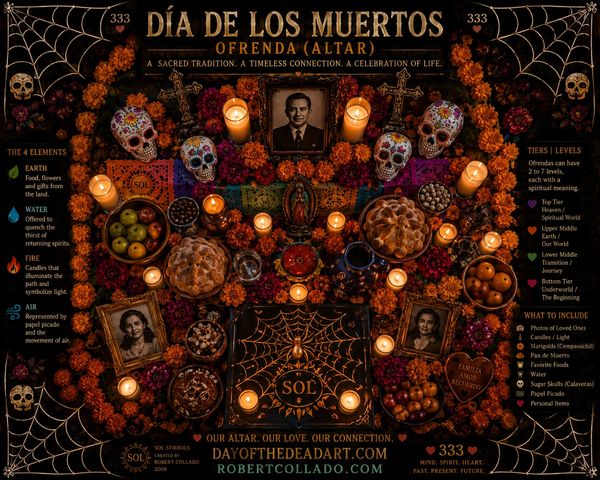
An ofrenda is an offering or collection of offerings created to honor and remember loved ones who have died. During Día de los Muertos (Day of the Dead), families may build an altar with photographs, candles, marigolds, water, favorite foods, papel picado, personal belongings, and religious symbols. Each item can carry special meaning and helps create a place of remembrance, love, family, and connection between generations.
DayoftheDeadArt.com is built on seven interconnected tiers designed to strengthen its cultural impact, educational authority, creative reach and long-term value. From Día de los Muertos history and education to original art, multimedia, commerce, events, community and future growth, each tier supports the next. Together, they create more than a website—they create a growing cultural resource dedicated to preserving traditions, celebrating artists and carrying the spirit of remembrance forward for future generations.

At the heart of a Día de los Muertos ofrenda is remembrance. Families create altars to honor loved ones who have died, surrounding their photographs with meaningful offerings such as candles, marigolds, favorite foods, water, personal belongings and religious or family symbols. While ofrendas vary by family, community and region, they share a powerful purpose: keeping memories alive and creating a meaningful connection between generations. Through these traditions, the ofrenda becomes more than an altar—it becomes a place for family stories, love, reflection and remembrance.
Explore our complete Día de los Muertos ofrenda guide to discover the history, meaning, symbolism, and traditions behind the Mexican altar of remembrance. Learn what an ofrenda is, understand its levels and four elements, explore traditional offerings such as marigolds, candles, photographs, water, salt, pan de muerto, and sugar skulls, and learn how to build an ofrenda to honor and remember loved ones.

Discover the traditional items placed on a Día de los Muertos ofrenda and what each one represents. Photographs honor loved ones, candles provide light, marigolds help guide returning spirits, water offers refreshment, salt represents purification, and favorite foods welcome those being remembered. Other meaningful offerings may include pan de muerto, papel picado, copal incense, calaveras, crosses, rosaries and personal belongings.

Many families begin preparing their Día de los Muertos ofrenda in the final days of October so it is ready for the traditional observances of November 1 and November 2. Customs and timing vary by family and region. November 1 is commonly associated with remembering children who have died, while November 2 is associated with the remembrance of deceased adults. Some families build their altars earlier and keep them displayed for several days or longer. The important tradition is creating a welcoming place filled with photographs, candles, marigolds, food, water and meaningful offerings in memory of loved ones.
“How do I make one?”
How to Build a Día de los Muertos Ofrenda
An ofrenda, meaning “offering” in Spanish, is an altar created during Día de los Muertos to honor and remember loved ones who have died. The significance of the ofrenda altar varies by family, community, and region, so there is no single required design. The most meaningful altar is one created with remembrance, respect, and personal connection.
1. 🏠 Choose a Location
Select a clean, peaceful place in your home where photographs, candles, and Día de los Muertos offerings can be safely displayed.
2. 🪜 Create the Levels
Build one or more levels using a table, boxes, or sturdy platforms covered with cloth. Some elaborate traditional altars use multiple tiers, including seven-level arrangements.
3. 🟣 Cover & Decorate the Altar
Cover the surface with cloth and decorate it with meaningful colors, papel picado, flowers, and other traditional or personal elements that symbolize the Day of the Dead.
4. 📷 Add Photographs
Place photographs of the loved ones you are remembering in a prominent location. These make the altar personal and identify those being honored.
5. 🕯️ Light Candles
Candles symbolize light and remembrance and are traditionally understood as helping illuminate the way for returning souls. Always use real candles safely; flameless candles are another option.
6. 🌼 Add Marigolds
Cempasúchil, or marigolds, are among the most recognizable Día de los Muertos flowers. Their vivid color and fragrance are associated with guiding spirits toward the altar.
7. 💧 Add Water
Place a glass or cup of water on the altar. Water represents refreshment and is traditionally offered to quench the thirst of returning souls after their journey.
8. 🧂 Add Salt
Salt is commonly associated with purification and preservation and may be included among the altar's offerings.
9. 🍞 Add Food & Drinks
Offer foods and drinks the person enjoyed in life. These might include pan de muerto, fruit, mole, tamales, chocolate, coffee, or atole, along with favorite family dishes.
10. 🎁 Add Personal Belongings
Include objects connected to the person's life—such as clothing, toys, books, artwork, tools, musical instruments, religious objects, or other treasured belongings.
11. 🎨 Add Papel Picado
Colorful papel picado brings movement and celebration to the altar, symbolizing air or wind as the delicate paper moves with the breeze.
12. 💀 Add Calaveras
Decorative calaveras and sugar skulls represent death through colorful, celebratory imagery, reminding us that mortality is part of life.
13. ✝️ Add Religious or Family Symbols
Depending on your family's traditions and beliefs, the altar may include crosses, rosaries, saints, sacred images, or other meaningful spiritual objects.
14. 🕸️ Add Personal Symbols of Connection
Contemporary ofrendas can also incorporate personal artistic symbols. In Robert Collado's artistic vocabulary, the spiderweb represents connection—the continuing bonds linking family, ancestors, generations, memories, the living, and those who have died.
15. ❤️ Remember
Spend time at the completed ofrenda. Share photographs, prayers, stories, music, and memories of the people being honored.
An ofrenda is more than a collection of objects; it is a place of remembrance—a bridge created through memory, family, tradition, and love, enriched by the symbols of the Day of the Dead.
DayoftheDeadArt.com