💀🕸️ Original Art, Ofrendas, Symbols, History & More by Robert Collado🕸️ 💀
Signed in as:
filler@godaddy.com

Family remembrance is at the heart of Día de los Muertos. Families honor parents, grandparents, children, relatives and ancestors who have died by sharing photographs, favorite foods, stories and treasured memories. Rather than forgetting those who came before us, the tradition keeps their memory present and passes family history from one generation to the next.

Many Día de los Muertos traditions begin at home, where families create ofrendas, display photographs and decorate with marigolds, candles, papel picado and meaningful objects. The home becomes a welcoming place of remembrance where family members can gather, pray, tell stories and celebrate the lives of loved ones who have passed.

Visiting cemeteries is an important Día de los Muertos tradition in many communities. Families may clean and decorate graves with marigolds, candles, photographs and offerings while spending time remembering those buried there. Cemetery visits can include prayer, music, storytelling and quiet reflection, transforming the gravesite into a place of family connection and remembrance.

Families create ofrendas to honor and remember loved ones who have died. Photographs, candles, water, food, flowers and personal belongings may be placed on the altar, with each item carrying meaning. An ofrenda is not an altar of worship to the deceased; it is a place of memory, love and welcome that tells the story of the person being honored.

Marigolds, commonly known in Mexico as cempasúchil, have become one of the most recognizable flowers of Día de los Muertos. Their brilliant orange and yellow colors decorate ofrendas, homes and gravesites. Tradition holds that their vivid color and fragrance help create a path of welcome for the spirits of loved ones returning to be remembered.

Candles bring warmth, light and spiritual meaning to Día de los Muertos celebrations. They are commonly placed on ofrendas and gravesites as symbols of faith, remembrance and hope. Their flames illuminate photographs and offerings while representing the continuing connection between the living, those who have died and the memories that remain.

Music brings celebration and emotion to Día de los Muertos. Families and communities may play songs loved by those being remembered, while mariachi and other musicians perform at festivals, homes and sometimes cemeteries. Music turns remembrance into something that can be shared, allowing familiar melodies to reconnect families with the personalities and memories of loved ones.

Dance, parades and processions bring Día de los Muertos traditions into public spaces. Participants may wear colorful clothing, carry flowers, display calavera imagery and paint their faces in artistic styles inspired by the celebration. These gatherings combine movement, music, art and remembrance while allowing entire communities to celebrate their cultural heritage together.

Calaveras, or skulls, appear throughout Día de los Muertos art as colorful reminders of mortality, memory and the cycle of life and death. Sugar skulls, paintings, sculptures, masks and other artworks often transform the skull into something expressive and beautiful. Rather than simply representing fear or death, calaveras can celebrate personality, creativity and remembrance.

Elegant dresses, embroidered clothing, hats, flowers and calavera face painting have become highly visible parts of modern Día de los Muertos celebrations. La Catrina, rooted in José Guadalupe Posada's famous satirical skeleton and later popularized by Diego Rivera, has become an internationally recognized figure associated with Mexican art, mortality and Día de los Muertos imagery.

Stories keep loved ones present long after they have died. During Día de los Muertos, families may remember favorite sayings, funny moments, accomplishments, traditions and lessons passed down through generations. Sharing these memories allows children and younger relatives to learn about family members they may never have met and helps preserve family history.

Día de los Muertos is celebrated differently across Mexico and in communities throughout the world. Local Indigenous traditions, Catholic observances, family customs, art, music and regional history have all influenced how communities commemorate the dead. These differences are important: Día de los Muertos is not one single celebration practiced identically everywhere, but a living tradition expressed in many distinct ways.

Pan de muerto, or “bread of the dead,” is a traditional sweet bread associated with Día de los Muertos. Families may place it on ofrendas or share it together during the celebration. Its shape and decorations can symbolize bones and other aspects of remembrance. Recipes vary by region and family, making the bread an important part of both the food and cultural traditions of the holiday.
Copal, a fragrant tree resin, has been used in Mesoamerican ceremonies for centuries. During Día de los Muertos, copal incense may be burned as part of some traditional celebrations. Its smoke and fragrance can be associated with purification, prayer and creating a welcoming atmosphere for remembrance. Practices vary between families and regions.
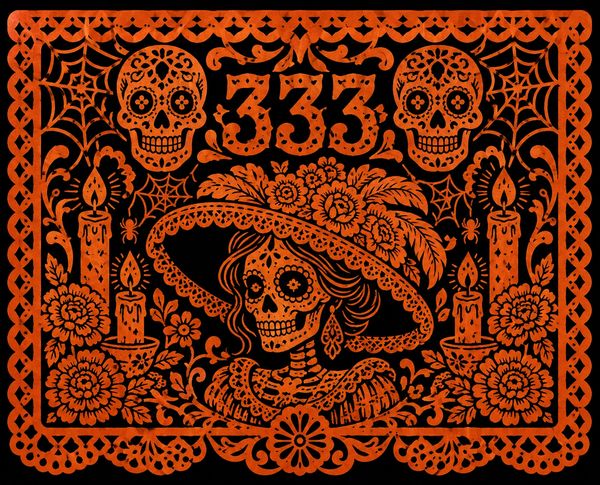
Papel picado is a traditional Mexican folk art made by cutting intricate designs into colorful sheets of tissue paper. During Día de los Muertos, it is often hung above ofrendas, homes and public spaces. The delicate designs may include flowers, skeletons, hearts and other symbols associated with life and death. The movement of the paper in the wind can also symbolize the presence of the spirits.
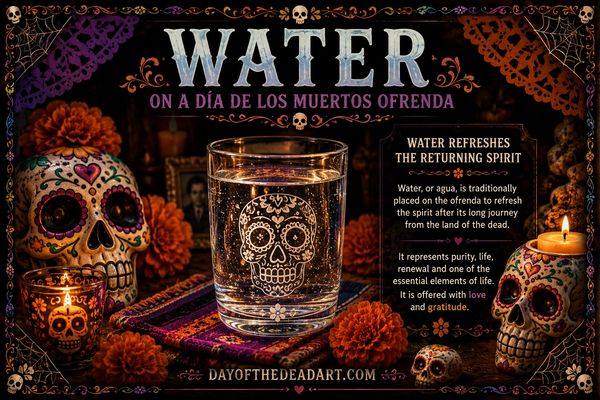
Water, or agua, is traditionally placed on a Día de los Muertos ofrenda to refresh the returning spirit after its journey. It represents purity, life and renewal and is often displayed in a glass or decorative vessel.

Salt, or sal, is a traditional Día de los Muertos offering associated with purification and preservation. It may be placed in a small dish or arranged decoratively on the altar as part of the offerings prepared for loved ones.

Photographs are among the most personal elements of a Día de los Muertos ofrenda. They identify the loved ones being honored and help transform the altar into a place where family history, memories and generations remain connected.
Sugar skulls, or calaveras de azúcar, are colorful symbols associated with Día de los Muertos. Often decorated with bright icing, flowers and names, they represent mortality through creativity, remembrance and celebration rather than fear.
Favorite Foods and Drinks on the Ofrenda
Families often place the favorite foods and beverages of deceased loved ones on the ofrenda. Traditional dishes, fruit, sweets and beverages help celebrate the individual's life while preserving family memories and culinary traditions.

Personal belongings make an ofrenda unique to the person being remembered. Jewelry, toys, tools, clothing, artwork and other meaningful objects may be displayed to represent a loved one's personality, interests, occupation and life story.
Crosses, rosaries, images of saints and other Catholic symbols appear on many Día de los Muertos ofrendas. They reflect the Catholic influences that became intertwined with Indigenous Mexican remembrance traditions over centuries.
Monarch butterflies have become closely associated with Día de los Muertos, particularly in Michoacán, where their annual migration arrives around the season of remembrance. Their return has inspired cultural associations with returning ancestors and the continuing cycle of life.

Decorative arches, or arcos, appear above some Día de los Muertos ofrendas and may be created with flowers, greenery or papel picado. They frame the altar and can symbolically represent an entrance or passage into the sacred space of remembrance.

Explore Día de los Muertos (Day of the Dead) traditions and customs, including family ofrendas, cemetery visits, marigolds, candles, food, music, prayer and storytelling. Observed on November 1 and 2, these traditions help families honor loved ones, preserve memories and celebrate connections across generations.
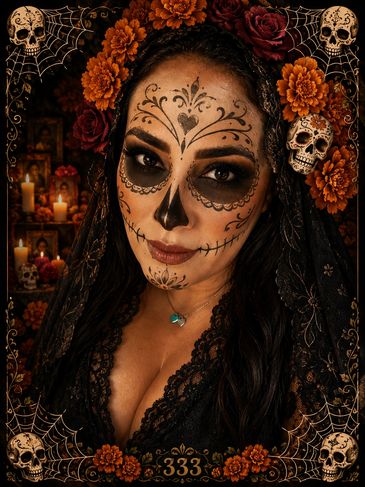
The Day of the Dead celebration, or Día de los Muertos, draws from ancient roots and indigenous traditions while showcasing the profound Spanish influence on Mexican cultural traditions. These modern celebrations honor the rich heritage and vibrant history of this unique observance.

Complete Día de los Muertos timeline infographic showcasing the history of the Day of the Dead celebration, tracing its roots from ancient Aztec traditions to modern festivities. The infographic features iconic symbols of Mexican cultural traditions, including La Catrina, sugar skulls, marigolds, ofrendas, papel picado, candles, and other traditional elements.