Signed in as:
filler@godaddy.com

How Dance Brings Día de los Muertos Traditions to Life
Movement, Music, Calaveras and Cultural Remembrance.
Dance is an important form of expression during Día de los Muertos celebrations, bringing together movement, music, costumes, storytelling and remembrance. From traditional folklórico and Indigenous-inspired performances to
La Catrina dancers and modern theatrical productions, dance helps honor loved ones while keeping cultural traditions visible for future generations. Performances often feature marigolds, calaveras, skeleton costumes, face paint and symbolic movements connected to life, death and memory.
1. Danza Azteca
Ceremonial dance inspired by Indigenous traditions, often using drums, feathers, rhythmic footwork and circular movement.
2. Ballet Folklórico
Traditional Mexican folk dance featuring colorful clothing, regional music and choreographed cultural storytelling.
3. La Catrina Dance Performances
Dancers dressed as La Catrina use elegant movement, elaborate dresses and calavera face paint to represent mortality and remembrance.
4. Calaca Skeleton Dancers
Performers wear skeleton costumes or body paint and use playful movements to portray the relationship between life and death.
5. Día de los Muertos Comparsas
Groups of costumed dancers and musicians move through streets and public celebrations as part of community processions.
6. Ofrenda Dance Tributes
Some performances are presented beside altars or memorial spaces as artistic tributes to family members and ancestors.
7. Marigold Dance Performances
Dancers incorporate cempasúchil flowers, petals or orange costumes representing the flower traditionally associated with guiding spirits.
8. Contemporary Día de los Muertos Dance
Modern choreographers combine traditional symbolism with contemporary dance, theater and multimedia storytelling.
9. Children’s Cultural Dance Performances
Schools and community programs use Día de los Muertos dance to teach younger generations about remembrance, art and cultural traditions.
10. Processional Dance
Music, dancing and costumes accompany community processions, transforming remembrance into a shared public celebration of life and memory.

Día de los Muertos traditions come alive through dance, music, art, remembrance and spiritual expression. From colorful Catrina dancers and mariachi traditions to community celebrations and sacred symbols, these traditions help families honor those who came before them while celebrating life.

Día de los Muertos is a cherished family tradition that brings generations together to celebrate, remember, and honor loved ones who have passed away. Rather than mourning death, families focus on the joy of remembering the lives, stories, and lasting legacy of those who came before them.
One of the most important traditions is creating an ofrenda, or home altar, decorated with photographs, marigold flowers, candles, sugar skulls, papel picado, favorite foods, drinks, and meaningful personal belongings. Families believe these offerings help welcome the spirits of their loved ones back home during the celebration.
Many families visit cemeteries to clean and decorate the graves of relatives with fresh marigolds, candles, and colorful decorations. They often spend time together sharing meals, telling stories, singing songs, playing music, and reflecting on happy memories. These gatherings transform cemeteries into places of love, remembrance, and celebration
.
Traditional foods such as pan de muerto, tamales, mole, fresh fruit, and favorite family recipes are prepared and shared. These meals honor the tastes and traditions of loved ones while bringing family members together around the table.
Children play an important role in the celebration by helping decorate altars, making crafts, creating sugar skulls, cutting colorful papel picado, and learning the stories of their ancestors. Through these activities, cultural traditions are passed from one generation to the next.
Today, families throughout Mexico and around the world continue to celebrate Día de los Muertos by attending festivals, creating community altars, participating in parades, wearing colorful face paint inspired by La Catrina, and sharing the beauty of this meaningful tradition with future generations.
Try Nag Champa my favorite incense

DAY OF THE DEAD ART SACRED HEART FOR SALE AT OUR STORE HIT THE LINK BELOW TO BUY ONE NOW🙏🏼🙏🏼

The Mexican bread with a baby hidden inside is called Rosca de Reyes (Three Kings' Bread), a sweet, ring-shaped holiday bread eaten on January 6th

Cemetery visits are one of the most meaningful traditions of Día de los Muertos. During November 1 and November 2, families gather at the gravesites of loved ones to celebrate their lives, share memories, and honor their legacy. Rather than being a time of sadness, these visits are filled with love, music, laughter, storytelling, and togetherness.
Before the celebration begins, families carefully clean and decorate graves with 🌼 marigolds, 🕯️ candles, 💀 sugar skulls, 📸 photographs, and colorful 🎏 papel picado. The bright marigold petals are believed to help guide the spirits of loved ones back to their families, while candles illuminate their path.
Many families bring the favorite foods and drinks of the person being remembered, sharing a meal together near the gravesite. Traditional foods such as Pan de Muerto, tamales, mole, fruit, and hot chocolate are often enjoyed while family members tell stories, sing songs, and celebrate the life of their loved one
.
Throughout Mexico, some cemeteries remain illuminated throughout the night as families gather together in remembrance. The glow of thousands of candles, the fragrance of marigolds, and the sound of music create a beautiful atmosphere that reflects the spirit of Día de los Muertos.
These traditions strengthen family bonds, preserve cultural heritage, and remind each generation that the memories of loved ones live on through stories, traditions, and acts of remembrance. Cemetery gatherings transform places of rest into places of celebration, honoring the enduring connection between the living and those who came before them.
Important Cemetery Symbols and What They Mean
Cemetery symbols tell stories of faith, love, protection, remembrance and eternal life. Crosses, sacred hearts, angels, praying hands, roses, anchors, doves, lilies, spiderwebs, skulls, butterflies and infinity symbols can each carry a deeper meaning. Together, these images help preserve memories and connect the living with those who have passed.


Family remembrance is at the heart of Dia de los Muertos. Families honor parents, grandparents, children, relatives and ancestors who have died by sharing photographs, favorite foods, stories and treasured memories. Rather than forgetting those who came before us, the tradition keeps their memory present and passes family history from one generation to the next.
Many Dia de los Muertos traditions begin at home, where families create ofrendas, display photographs and decorate with marigolds, candles, papel picado and meaningful objects. The home becomes a welcoming place of remembrance where family members can gather, pray, tell stories and celebrate the lives of loved ones who have passed.
Visiting cemeteries is an important Dia de los Muertos tradition in many communities. Families may clean and decorate graves with marigolds, candles, photographs and offerings while spending time remembering those buried there. Cemetery visits can include prayer, music, storytelling and quiet reflection, transforming the gravesite into a place of family connection and remembrance.
Families create ofrendas to honor and remember loved ones who have died. Photographs, candles, water, food, flowers and personal belongings may be placed on the altar, with each item carrying meaning. An ofrenda is not an altar of worship to the deceased; it is a place of memory, love and welcome that tells the story of the person being honored.

Marigolds, commonly known in Mexico as cempasúchil, have become one of the most recognizable flowers of Dia de los Muertos. Their brilliant orange and yellow colors decorate ofrendas, homes and gravesites. Tradition holds that their vivid color and fragrance help create a path of welcome for the spirits of loved ones returning to be remembered.
Candles bring warmth, light and spiritual meaning to Dia de los Muertos celebrations. They are commonly placed on ofrendas and gravesites as symbols of faith, remembrance and hope. Their flames illuminate photographs and offerings while representing the continuing connection between the living, those who have died and the memories that remain.
Music brings celebration and emotion to Dia de los Muertos. Families and communities may play songs loved by those being remembered, while mariachi and other musicians perform at festivals, homes and sometimes cemeteries. Music turns remembrance into something that can be shared, allowing familiar melodies to reconnect families with the personalities and memories of loved ones.
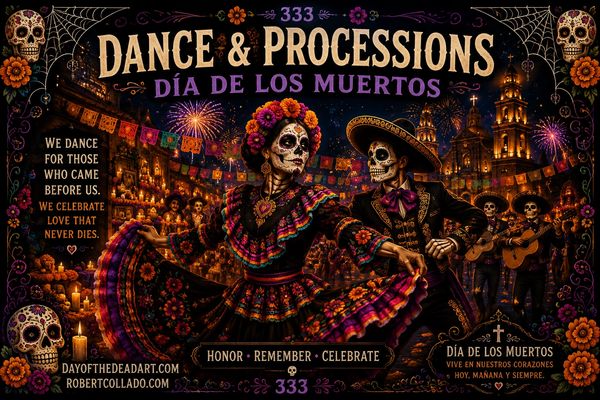
Dance, parades and processions bring Dia de los Muertos traditions into public spaces. Participants may wear colorful clothing, carry flowers, display calavera imagery and paint their faces in artistic styles inspired by the celebration. These gatherings combine movement, music, art and remembrance while allowing entire communities to celebrate their cultural heritage together.
Calaveras, or skulls, appear throughout Dia de los Muertos art as colorful reminders of mortality, memory and the cycle of life and death. Sugar skulls, paintings, sculptures, masks and other artworks often transform the skull into something expressive and beautiful. Rather than simply representing fear or death, calaveras can celebrate personality, creativity and remembrance.
Elegant dresses, embroidered clothing, hats, flowers and calavera face painting have become highly visible parts of modern Día de los Muertos celebrations. La Catrina, rooted in José Guadalupe Posada's famous satirical skeleton and later popularized by Diego Rivera, has become an internationally recognized figure associated with Mexican art, mortality and Día de los Muertos imagery.
Stories keep loved ones present long after they have died. During Día de los Muertos, families may remember favorite sayings, funny moments, accomplishments, traditions and lessons passed down through generations. Sharing these memories allows children and younger relatives to learn about family members they may never have met and helps preserve family history.
Dia de los Muertos is celebrated differently across Mexico and in communities throughout the world. Local Indigenous traditions, Catholic observances, family customs, art, music and regional history have all influenced how communities commemorate the dead. These differences are important: Dia de los Muertos is not one single celebration practiced identically everywhere, but a living tradition expressed in many distinct ways.
Pan de muerto, or “bread of the dead,” is a traditional sweet bread associated with Día de los Muertos. Families may place it on ofrendas or share it together during the celebration. Its shape and decorations can symbolize bones and other aspects of remembrance. Recipes vary by region and family, making the bread an important part of both the food and cultural traditions of the holiday.
Copal, a fragrant tree resin, has been used in Mesoamerican ceremonies for centuries. During Dia de los Muertos, copal incense may be burned as part of some traditional celebrations. Its smoke and fragrance can be associated with purification, prayer and creating a welcoming atmosphere for remembrance. Practices vary between families and regions.
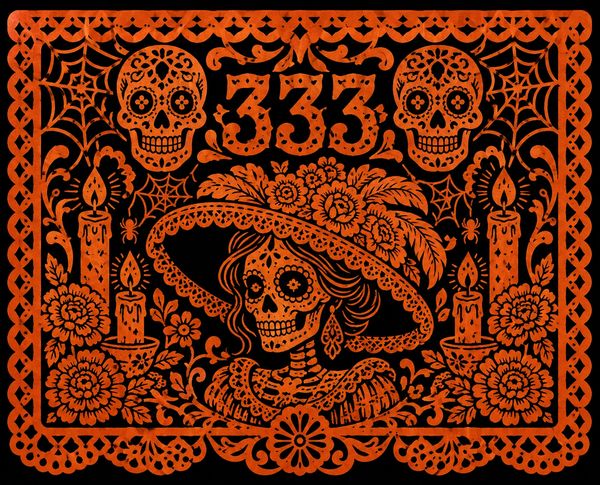
Papel picado is a traditional Mexican folk art made by cutting intricate designs into colorful sheets of tissue paper. During Día de los Muertos, it is often hung above ofrendas, homes and public spaces. The delicate designs may include flowers, skeletons, hearts and other symbols associated with life and death. The movement of the paper in the wind can also symbolize the presence of the spirits.
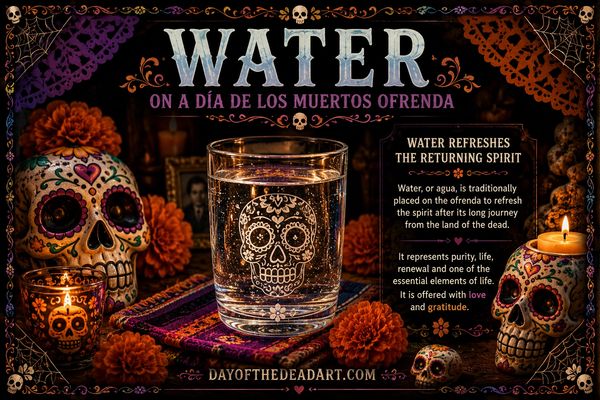
Water, or agua, is traditionally placed on a Día de los Muertos ofrenda to refresh the returning spirit after its journey. It represents purity, life and renewal and is often displayed in a glass or decorative vessel.

Salt, or sal, is a traditional Día de los Muertos offering associated with purification and preservation. It may be placed in a small dish or arranged decoratively on the altar as part of the offerings prepared for loved ones.

Photographs are among the most personal elements of a Dis de los Muertos ofrenda. They identify the loved ones being honored and help transform the altar into a place where family history, memories and generations remain connected.
Sugar skulls, or calaveras de azúcar, are colorful symbols associated with Día de los Muertos. Often decorated with bright icing, flowers and names, they represent mortality through creativity, remembrance and celebration rather than fear.
Favorite Foods and Drinks on the Ofrenda
Families often place the favorite foods and beverages of deceased loved ones on the ofrenda. Traditional dishes, fruit, sweets and beverages help celebrate the individual's life while preserving family memories and culinary traditions.

Personal belongings make an ofrenda unique to the person being remembered. Jewelry, toys, tools, clothing, artwork and other meaningful objects may be displayed to represent a loved one's personality, interests, occupation and life story.
Crosses, rosaries, images of saints and other Catholic symbols appear on many Dia de los Muertos ofrendas. They reflect the Catholic influences that became intertwined with Indigenous Mexican remembrance traditions over centuries.
Monarch butterflies have become closely associated with Día de los Muertos, particularly in Michoacán, where their annual migration arrives around the season of remembrance. Their return has inspired cultural associations with returning ancestors and the continuing cycle of life.
Decorative arches, or arcos, appear above some Día de los Muertos ofrendas and may be created with flowers, greenery or papel picado. They frame the altar and can symbolically represent an entrance or passage into the sacred space of remembrance.